Blog
How to Find the Best Blood Pressure Monitor

If you are seeking the right blood pressure monitor for home use, you mainly want accurate readings. You also want something simple to use every day. But many options are available in the market, and not all are reliable. So, how to find the best blood pressure monitor for home use?
Let’s reveal what really matters when choosing a good blood pressure monitor for your needs.
How to Find the Best Blood Pressure Monitor for Home Use
Consider the following key points and ensure the must-have features of a quality blood pressure monitor to select a good device for reliable blood pressure monitoring at home:
1. Right Type
Choose the most suitable type based on your needs and convenience. I recommend a digital monitor, especially for elderly users. It is easy to use and fast. You just need to press one button, while manual devices need training. Doctors or professional caregivers usually use manual ones. So, pick a digital upper-arm monitor for home use. They are not only simple but also reliable.
2. Upper Arm Cuff
Always choose an upper-arm cuff rather than a wrist monitor. It gives more accurate readings than wrist devices. Make sure the cuff fits your arm circumference properly. A wrong cuff size can show false high or low readings. Choose a device with adjustable cuffs. Comfort and proper fit matter more than you think.
3. Look for Accuracy and Validation
Accuracy is the most important factor. Choose clinically validated monitors by international standards that are tested for reliable readings. Avoid very cheap or unknown brands. They may give wrong results. Even good monitors can vary slightly, so compare readings. Incorrect readings can affect treatment decisions. So never compromise on accuracy.
4. Easy Operation
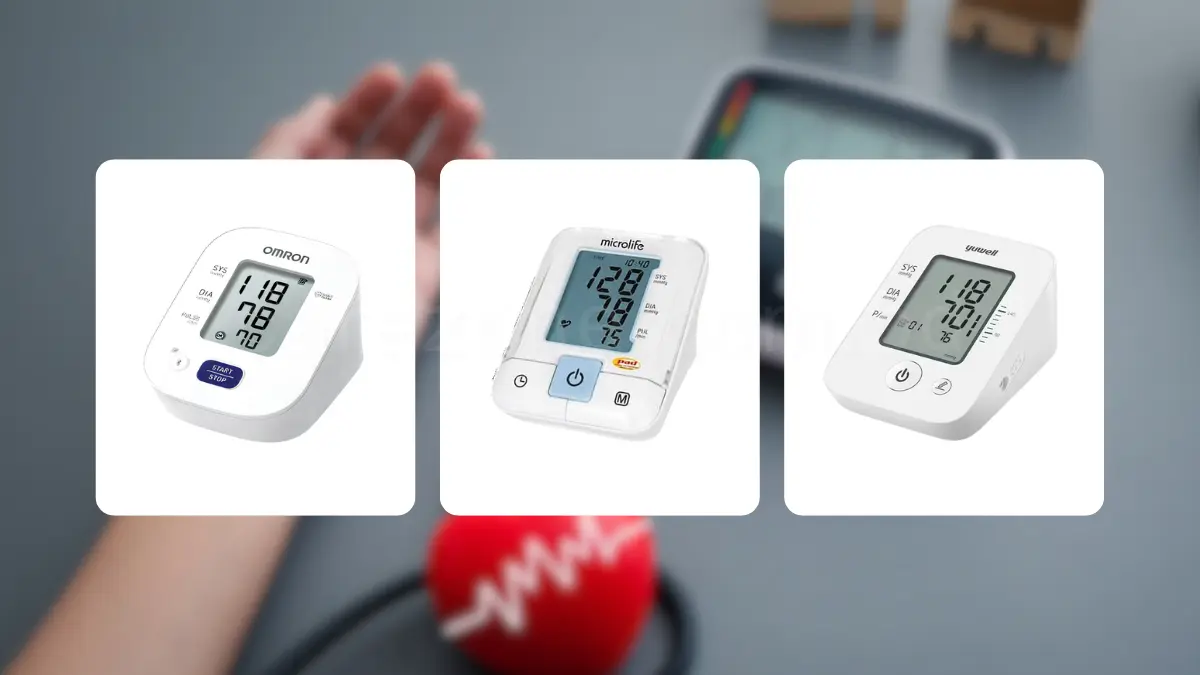
You want something simple. Choose a one-touch operation device. Large buttons and a clear display help a lot. Some monitors even offer voice guidance. That is useful for elderly users. Devices like automatic monitors are designed for hassle-free home use.
5. Display and Readability
The screen should be large and clear. You should easily read systolic, diastolic, and pulse values. Backlit displays help in low light. If you are buying for parents, this is very important. A clear display helps you reduce mistakes during daily monitoring.
6. Memory and Tracking Features
Choose a monitor with the memory storage function. It saves previous readings automatically. This helps you track trends over time. Some devices store historical data for multiple users. Tracking trends is more useful than a single reading. Doctors also prefer this data.
7. Extra Helpful Features
Some features make your life easier. Look for irregular heartbeat detection – a very useful feature often offered in better models. WHO classification indicators can show the BP level status. You may like Bluetooth or app connectivity, which is useful but optional. Do not overpay for features you will not use.
Final Note
Choosing the best blood pressure monitor for home use is simple when you know what to look for. Focus on your needs, accuracy, comfort, ease of use, must-have features, and more.
Then buy from a trusted seller offering original products, competitive prices, and satisfactory after-sales support. Choose items with high user ratings and full manufacturer’s warranties.