Blog
What Are the Benefits of Using an Oxygen Concentrator?

When breathing becomes difficult, getting enough oxygen can become a daily concern. You may feel tired after simple activities, become short of breath, or need supplemental oxygen as part of your treatment.
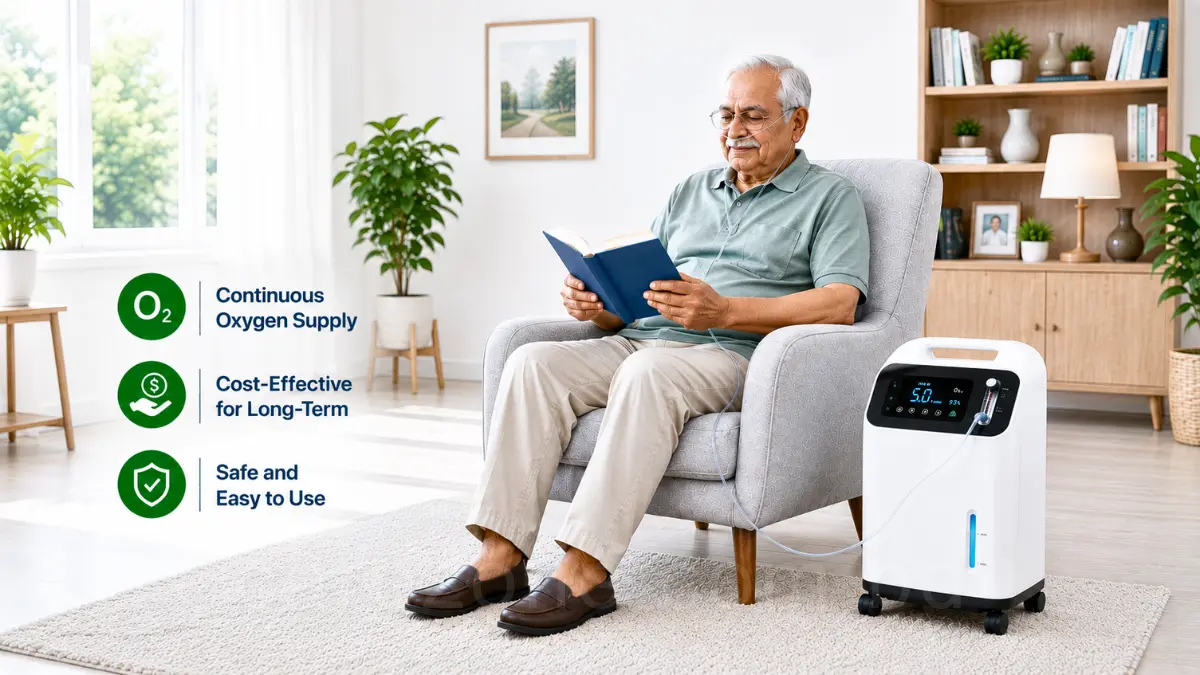
An oxygen concentrator can make oxygen therapy easier to manage at home. Unlike a traditional oxygen cylinder, it does not need to be refilled. It takes oxygen from the surrounding air, concentrates it, and delivers it through a nasal cannula or mask.
But is an oxygen concentrator right for you? The answer depends on your oxygen level, medical condition, and doctor’s prescription. Let’s look at the main benefits and what you should know before using one.
Top Benefits of Using an Oxygen Concentrator
Check the most important benefits of using an oxygen concentrator.
The primary benefit of an oxygen concentrator is that it provides supplemental oxygen when your body cannot maintain an adequate oxygen level on its own. Your lungs normally transfer oxygen from the air into your bloodstream. Certain lung, heart, or other medical conditions can interfere with this process.
When blood oxygen becomes too low, you may experience shortness of breath, fatigue, weakness, headaches, or reduced exercise tolerance. In patients who have medically confirmed chronic hypoxemia, supplemental oxygen can help correct low oxygen levels and support normal body functions.
The American Thoracic Society notes that supplemental oxygen can improve survival and quality of life for appropriate patients with cardiopulmonary disease and recommends it for certain patients with chronic hypoxemia at rest or during exertion.
This does not mean that everyone with breathing difficulty needs oxygen. Oxygen therapy should be prescribed based on your medical condition and oxygen needs. The FDA also warns that using too much or too little oxygen can be harmful.
For example, COPD is one condition in which some patients may require long-term oxygen therapy. According to U.S. CDC data, diagnosed COPD affected 3.8% of adults in 2023, with prevalence reaching 10.5% among adults aged 75 and older.
Can Improve Daily Comfort and Quality of Life
Living with low blood oxygen can make ordinary activities feel exhausting. You may become tired after walking a short distance or feel that you need frequent breaks during daily tasks. When supplemental oxygen is medically appropriate, maintaining the prescribed oxygen level may make these activities easier.
The benefit is not simply about breathing. Adequate oxygen supports tissues and organs throughout your body. When your oxygen needs are properly managed, you may have better energy for routine activities such as eating, bathing, moving around the house, or spending time with family.
For some people, oxygen therapy is also prescribed during physical activity. Your oxygen requirement can change when you walk or exercise. A healthcare professional may assess your oxygen level during exertion and determine whether supplemental oxygen is appropriate.
The American Thoracic Society recognizes oxygen therapy for selected patients with chronic lung disease who experience significant oxygen deficiency, including during exertion.
However, you should not assume that increasing oxygen will automatically make you feel better. Oxygen is a medical treatment, not simply an energy booster. Your prescribed flow rate and usage schedule matter.
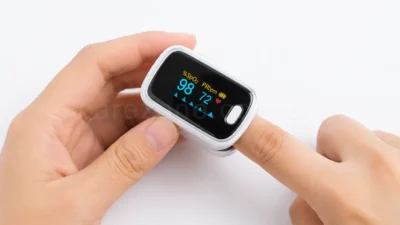
If you notice that your usual activities are becoming difficult, talk with your doctor. A pulse oximeter may provide useful information, but your healthcare provider should interpret your symptoms and oxygen readings together rather than relying on a single measurement.
Provides a Convenient Option for Home Oxygen Therapy
One major advantage of an oxygen concentrator is convenience. If you need oxygen therapy at home, you do not necessarily have to depend entirely on stored oxygen cylinders.
A concentrator works by taking in room air, separating nitrogen from the air, and delivering a concentrated stream of oxygen. Because it generates oxygen from the surrounding air, you do not need to refill the device with oxygen in the same way you refill a cylinder.
This can make long-term oxygen therapy easier to manage at home. You can position a stationary concentrator in a suitable room and connect it to your prescribed oxygen tubing or nasal cannula.
The practical benefit can be significant for people who require oxygen regularly. You can avoid some of the logistical challenges associated with storing and replacing multiple oxygen cylinders.
Still, a concentrator depends on electricity. That means you should consider power interruptions when planning home oxygen therapy. If you or your family member relies on oxygen continuously, ask the healthcare provider or oxygen supplier whether you need an appropriate backup oxygen source or emergency plan.
Also remember that oxygen concentrators are medical devices. The FDA recognizes oxygen concentrators as devices designed to increase the oxygen concentration delivered to a patient, including for home healthcare environments.
Can Support Oxygen Needs During Sleep
Your oxygen needs do not necessarily disappear when you go to sleep. Some people experience lower oxygen levels during sleep because breathing patterns and underlying respiratory conditions can change.
If your doctor has determined that you require oxygen while sleeping, an oxygen concentrator can provide a continuous supply according to your prescribed settings. This can be particularly useful for people with certain chronic lung conditions or other conditions associated with nighttime oxygen desaturation.
The goal is not to make you breathe more oxygen than you need. The goal is to maintain an appropriate oxygen level based on your medical prescription.
This distinction is important. You should never change your oxygen flow rate simply because you feel more comfortable at a higher setting. The FDA specifically cautions that too much or too little oxygen can create health risks.
If your doctor has prescribed nighttime oxygen, use the equipment exactly as instructed. Your healthcare provider may recommend monitoring, follow-up testing, or adjustments depending on your condition.
A concentrator can therefore become a practical part of a home respiratory-care routine, especially when nighttime oxygen therapy has been medically indicated.
Reduces the Need for Frequent Oxygen Cylinder Refills
For people who require oxygen for extended periods, managing oxygen cylinders can become a regular household task. Cylinders contain a finite amount of compressed oxygen. Once the supply is used, the cylinder must be replaced or refilled.
An oxygen concentrator works differently. It continuously draws in room air and concentrates oxygen for delivery. This means that, under normal operating conditions and with access to electricity, the device can provide oxygen without requiring the same type of routine oxygen refilling.
This can be especially useful for patients who need oxygen therapy for many hours each day. It may reduce the need to store several cylinders at home and arrange frequent refills.
However, a concentrator is not automatically better than a cylinder in every situation. Cylinders can be valuable as backup sources, during power failures, or when electricity is unavailable. Portable oxygen concentrators may also be appropriate for some patients who need greater mobility, but suitability depends on the individual’s prescribed oxygen requirements and the device’s specifications.
Think of the concentrator as one option within an overall oxygen-management plan. Your doctor can determine which oxygen source is appropriate, while a qualified supplier can help you choose equipment that meets the prescribed flow and delivery requirements.
Can Make Long-Term Oxygen Therapy More Practical
If you have been prescribed oxygen for months or longer, practicality matters. Medical treatment is more useful when you can follow it consistently and safely.
A concentrator can simplify certain aspects of long-term oxygen therapy because it generates oxygen from surrounding air instead of relying solely on stored oxygen. Many home models are designed for regular use and can remain in a designated area while you use the prescribed tubing.
This can help create a more predictable routine. You can use the device during activities, rest, or sleep when those periods are included in your prescription.
The American Thoracic Society emphasizes that oxygen therapy involves more than simply providing oxygen. Patient education, correct administration, adherence, and self-management are also important parts of effective home oxygen care.
You should therefore learn how to operate your specific concentrator, clean the recommended components, recognize alarms, and maintain adequate ventilation around the device. Keep the equipment away from smoking, flames, and other ignition sources because oxygen supports combustion.
Most importantly, do not treat a concentrator as a general wellness device. It is intended for people who have a medical need for supplemental oxygen.
Conclusion
An oxygen concentrator can make prescribed oxygen therapy more practical by providing a continuous source of concentrated oxygen at home. For appropriate patients, supplemental oxygen can support oxygen levels, improve daily function, and contribute to quality of life.
The key is to use the right device at the right flow rate and for the right medical reason. If you think you may need oxygen, speak with your doctor before starting therapy. Proper guidance makes oxygen therapy safer and more effective.